The beauty and skincare market in 2026 no longer resembles what it was two years ago. Routines are shortening, active ingredients are migrating from the face to the body and scalp, and the very notion of “anti-aging care” is giving way to a preventive approach focused on skin longevity. Consumers are demanding clinical evidence rather than marketing promises, reshuffling the deck between historic brands and new entrants.
Skin Longevity Care: Prevention Replaces Correction
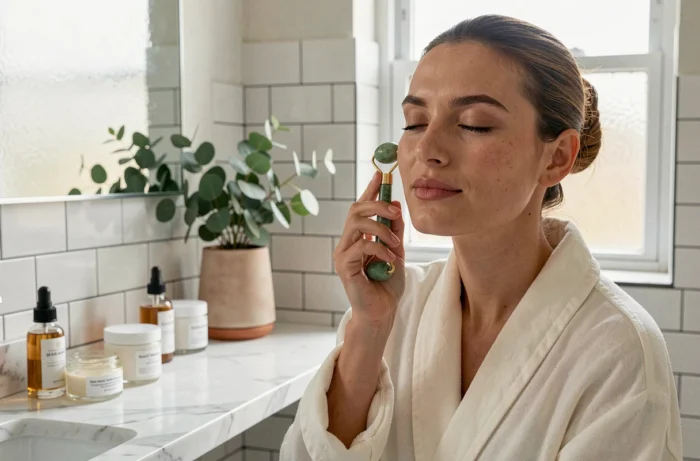
The term “longevity” is becoming established in formulations and product arguments. Where brands once offered corrective creams and serums targeting established wrinkles, prevention is becoming the new dominant focus for 2026 launches. Topicals, at-home devices, and dietary supplements are converging towards a common promise: to keep skin healthy for as long as possible rather than repairing damage afterward.
This shift is changing the profile of buyers. Those under 30 are adopting products once reserved for mature skin, not out of vanity, but because the discourse has become more medicalized. On Planète Beauté, there is a selection of products that reflects this trend, featuring serums and creams formulated around cellular protection rather than filling.
The available data does not yet allow for measuring the long-term effectiveness of these preventive formulations compared to traditional corrective treatments. Field feedback varies on this point, and dermatologists remain cautious about the “longevity” promises associated with simple cosmetics.
Minimalist Beauty Routine: Fewer Products, Higher Standards
The simplification of routines is not a passing trend. Distributors and brands are noticing a growing preference for multifunctional products capable of replacing two or three steps. A serum that hydrates, evens skin tone, and protects against free radicals takes the place of a separate cream, primer, and antioxidant.
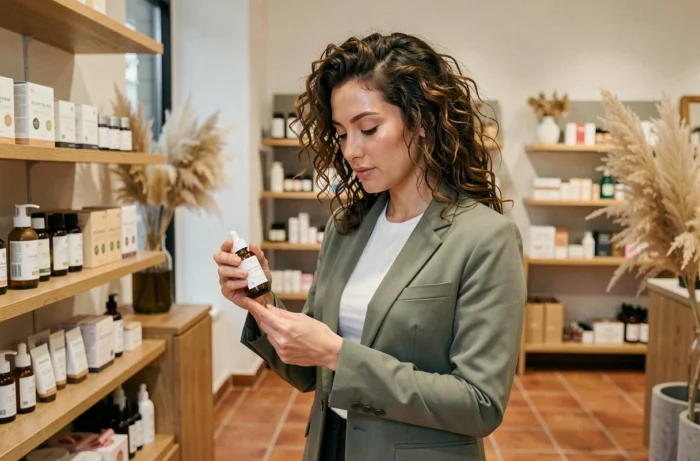
This minimalism (sometimes referred to as “skinimalism”) does not mean doing less skincare, but rather choosing better. The main criterion becomes the transparency of the formulation and the perceived results. Trust is shifting towards clinical evidence, readable INCI lists, and verified reviews, at the expense of traditional influencer campaigns.
What This Means for Makeup
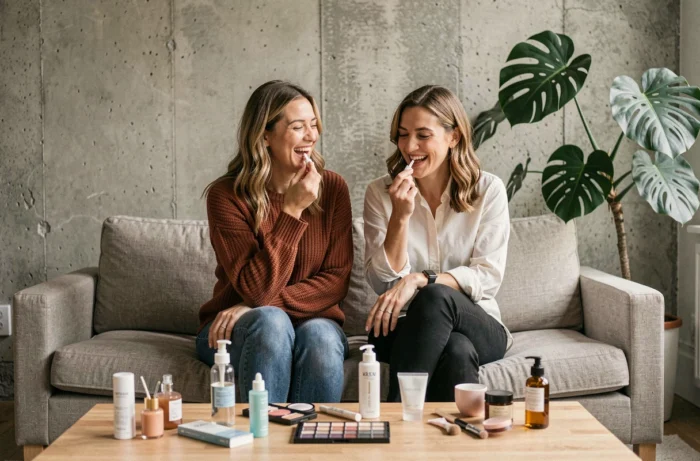
Makeup is following the same trajectory. Hybrid textures (foundation-care, blush-serum) are gaining ground. The stated goal: a visible result without layering. Lip inks and long-wear formulas respond to a concrete demand for practicality, not a fleeting trend effect.
Body and Scalp Care: Facial Actives Are Migrating
Bodycare and scalp care are among the segments experiencing the most significant growth in premium beauty in 2026. BeautyMatter reports that body care and sun protection have significantly driven the growth of prestige skincare in the first half of the year. Actives once reserved for the face (niacinamide, hyaluronic acid, retinol) are now found in body lotions, scrubs, and scalp serums.
This extension raises a question of dosage. An active ingredient effective on the face is not necessarily effective at the same concentration on the body or scalp, which have different characteristics. Brands that document their tests on these specific areas gain credibility.
- Scalp: densifying serums and scalp exfoliants are multiplying, targeting both hair health and skin comfort.
- Body: acid-based formulations (AHA, PHA) are entering daily body care, promising smoother skin texture.
- Body sun protection: lightweight and non-sticky textures are becoming a central selling point, beyond just SPF ratings.
Regulation and Certification: The Halal Case Redefines “Clean Beauty”
A regulatory change is flying under the radar of Western beauty media. Indonesia is imposing halal certification for all consumer goods by October 17, 2026. According to Euromonitor, this requirement is redefining “clean beauty” as active protection, rather than merely avoiding controversial ingredients.
This movement extends beyond the Indonesian market. International brands targeting Southeast Asia are reformulating their products to meet this requirement, which indirectly influences the ranges available in Europe. Halal certification imposes traceability of raw materials and manufacturing transparency that other “clean” labels do not guarantee at the same level.
What This Means for European Consumers
Reformulated ranges for the Asian market sometimes arrive in Europe under the same references. A halal-certified serum or moisturizer is not a different product in its texture or effectiveness, but its formulation excludes certain animal derivatives and some solvents. For sensitive skin or consumers concerned about composition, this evolution opens additional options without notable extra cost.
- Enhanced traceability of animal-derived ingredients in cosmetics.
- Exclusion of certain alcohols and solvents, which may improve skin tolerance.
- Competitive pressure pushing other brands to document their supply chains more thoroughly.
The beauty market in 2026 is structured around three concrete axes: prevention rather than repair, simplification of routines with multifunctional products, and increased transparency driven by international regulatory constraints. Lasting beauty and skincare trends are those that rely on documented formulations, not on seasonal hype cycles.