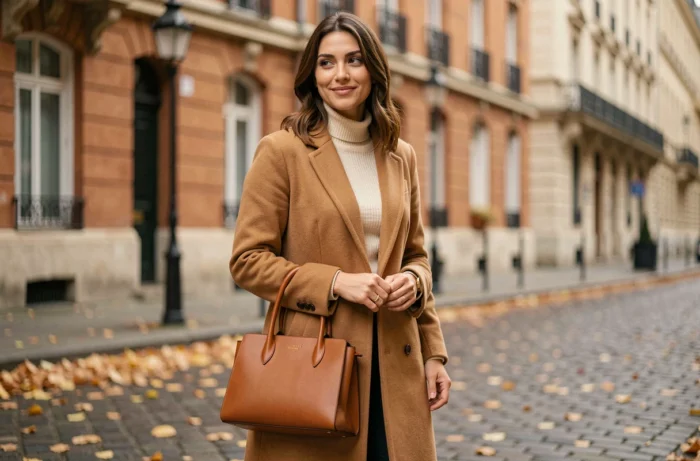
The accessories and clothing pieces that structure a silhouette on a daily basis evolve under the influence of regulatory constraints and industrial changes that mainstream articles overlook. The relationship between materials, cuts, and accessories is being reconfigured, and current fashion trends reflect both technical and aesthetic compromises.
European Regulation on Unsold Goods and Its Impact on Accessory Supply
Since July 19, 2026, large companies are no longer allowed to destroy their unsold clothing and shoes in the European Union. This measure profoundly alters the distribution chain of everyday accessories.
Brands are developing resale channels, outlets, and certified second-hand options to clear their stock. The concrete result for consumers: expanded access to quality pieces (belts, bags, scarves) from previous collections, at revised prices.
We observe that this constraint also pushes creators to design more focused collections. Fewer references per season, but accessories designed to last through several trend cycles. To explore a catalog that incorporates this logic of durable and accessible pieces, a useful resource is: https://lylystore.be/, which offers a regularly updated assortment.
The ban on destroying unsold goods restructures the entire accessory sector. Brands that anticipated this regulation now have a competitive advantage in terms of product range.
Materials and Technical Finishes Redefining Everyday Style
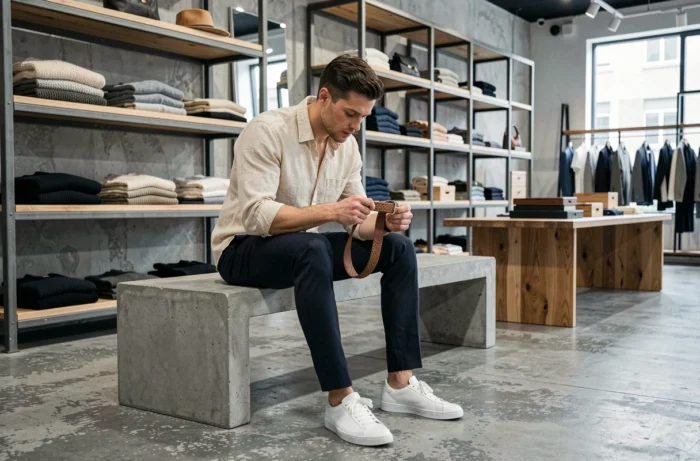
The choice of materials has never so strongly influenced the perception of an outfit. Post-industrial recycled fibers, plant-based leather made from agricultural residues, and stainless steel alloys for everyday jewelry are gaining market share.
For jewelry, stainless steel is gradually replacing low-quality gold plating. Its resistance to oxidation and controlled weight make it a suitable material for rings, necklaces, and earrings worn daily without special precautions.
On the textile side, natural low-impact materials (linen, hemp, certified organic cotton) are becoming dominant in basic pieces: shirts, tops, straight dresses. The selection criterion to remember is not the marketing label, but the density of the weave. A sufficiently dense weight ensures better durability after repeated washes, which directly affects the longevity of the piece in a daily wardrobe.
Mixed Material Accessories: What to Check
- The exact composition: a bag labeled “plant-based leather” may contain a significant proportion of polyurethane, which reduces its breathability and actual durability
- The metal finishes: prefer stainless steel or solid brass clasps and buckles over plated zamak, which chips within months
- The interior lining: a cotton or linen lining withstands abrasion better than fine polyester, especially on bags used daily
Second-Hand and Fashion Accessories: A Structuring Channel
The resale of fashion accessories is no longer a niche market. Vinted surpassed one billion euros in revenue in 2025, with expansion continuing into 2026 into new markets. This volume reflects a lasting shift in shopping habits.
For accessories, second-hand offers a technical advantage often overlooked: genuine leather pieces, noble metal jewelry, and silk scarves improve or retain their properties much better than comparable new synthetic equivalents.
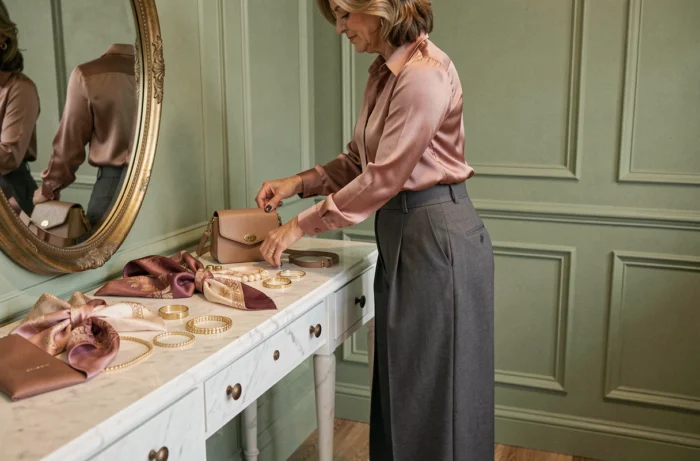
We recommend focusing second-hand purchases on three categories where the quality-price ratio is most favorable:
- Full-grain leather belts, whose tanning develops a patina over time without losing strength
- Mechanical or quartz watches from established brands, often resold at a fraction of the new price with still reliable movement
- Structured bags in grained leather, which hide micro-scratches and maintain their shape after years of use
In ready-to-wear, second-hand works particularly well for raw jeans and denim jackets, whose fabric stretches and softens over time.
Seasonal Colors and Silhouettes: Concrete Choices for a Cohesive Look
Color palettes oscillate between muted tones and saturated bursts, but the real stylistic lever remains the chromatic coherence between the outfit and the accessories. An accessory in a complementary shade (for example, a terracotta bag with a navy outfit) creates a more effective focal point than a total monochrome look.
For women, the straight dress in natural material remains the pivot of a functional daily wardrobe. Paired with a structured belt and geometric earrings, it transitions from the office to an evening outing without a complete change.
Adapting Accessories to One’s Body Shape
Body shape influences the choice of proportions more than that of colors. A short necklace (choker style) visually elongates a short neck. A bag worn low on the hip balances a silhouette with broad shoulders. These principles of proportion remain stable from season to season, regardless of trends.
Investing in accessories with proportions suited to one’s silhouette creates a more lasting effect than following seasonal trends. A wide cuff bracelet, a long pendant, or a medium-brimmed hat are choices based on body shape, not fleeting fashions.
This season’s fashion and accessory trends confirm an underlying movement: the quality of materials, the coherence of proportions, and expanded access through second-hand or post-unsold channels matter more than novelty for its own sake. Daily style is built on technical compromises, not on an accumulation of trendy pieces.